AI vs Human Agents: What Still Needs a Human Touch in 2026?
As artificial intelligence continues to reshape industries, the insurance world is no exception. From automated customer service to predictive analytics, AI agents are now capable of handling tasks that once required hours of human effort. But even in 2026, one question remains critical: what still requires a human touch?
The answer lies not in competition, but in collaboration.
AI excels at speed, efficiency, and data processing. It can instantly analyze customer behavior, recommend policies, send follow-ups, and even manage claims processing with remarkable accuracy. For routine and repetitive tasks, AI agents are unmatched. They reduce operational costs, eliminate human error, and allow agencies to scale faster than ever before.
However, when it comes to emotional intelligence, trust-building, and complex decision-making, human agents remain irreplaceable.
Insurance is not just about policies—it’s about people. Customers often reach out during vulnerable moments: accidents, health crises, or financial uncertainty. In such situations, empathy cannot be automated. A human agent can understand tone, offer reassurance, and build a connection that goes beyond transactional interaction. This emotional depth creates trust, and trust is the foundation of long-term customer relationships.
Another area where humans shine is ethical judgment and nuanced decision-making. AI works based on data and algorithms, but it lacks true understanding of context. For example, when dealing with unique or sensitive claims, a human agent can consider factors beyond data—personal circumstances, intent, and fairness. These are decisions that require judgment, not just logic.
Moreover, relationship management remains a deeply human strength. While AI can track customer journeys and suggest actions, it cannot genuinely nurture relationships over time. Human agents can remember personal details, celebrate milestones, and create meaningful interactions that foster loyalty. In a competitive market, this personal touch can be the key differentiator.
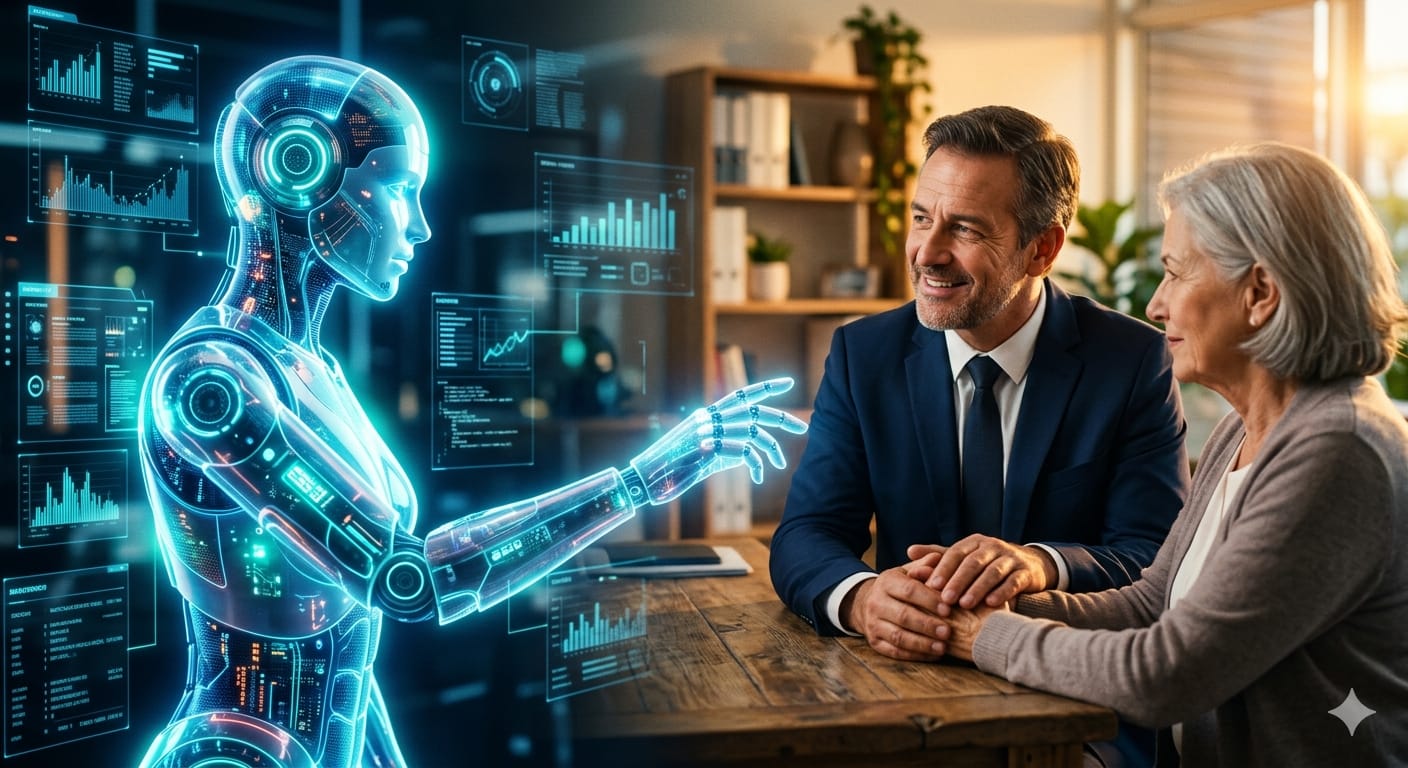
That said, the future is not about choosing between AI and humans—it’s about combining their strengths. The most successful agencies in 2026 are those that use AI to handle operational tasks while empowering human agents to focus on what truly matters: building relationships and delivering personalized service.
Imagine an agency where AI handles lead generation, data analysis, and follow-ups, while human agents step in for consultations, complex cases, and emotional support. This hybrid approach not only improves efficiency but also enhances customer experience.
In conclusion, AI may be transforming the insurance landscape, but it cannot replace the human essence of the industry. The human touch—empathy, trust, and understanding—remains essential. Agencies that recognize this balance will not only survive but thrive in the age of AI.
The future belongs to those who know when to automate—and when to be human.