Hyper-Personalized Insurance: How AI is Redefining Customer Experience in 2026
In 2026, customer expectations in the insurance industry have reached new heights. People no longer want generic policies or slow responses—they demand instant, personalized, and seamless experiences. This shift has led to the rise of hyper-personalized insurance, powered by advanced artificial intelligence.
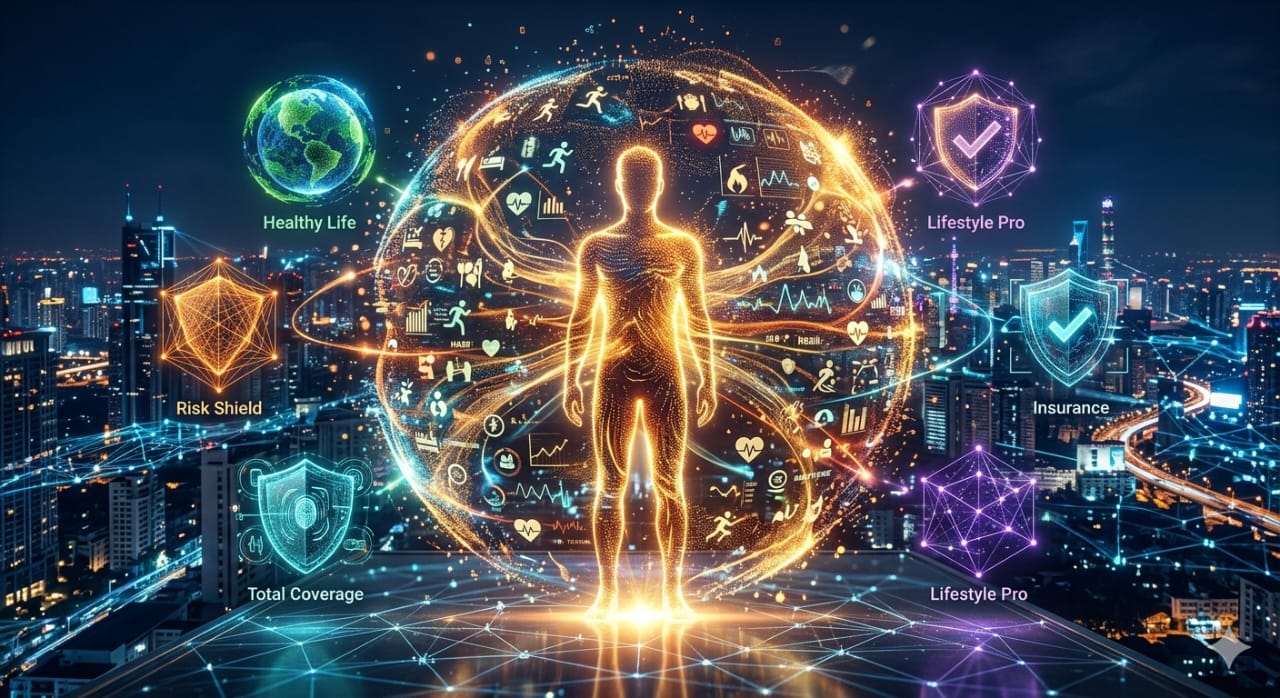
Hyper-personalization goes beyond basic customization. It uses AI to analyze real-time data from multiple sources, including behavioral patterns, environmental factors, and historical records. This allows insurers to create policies that are uniquely tailored to each individual. For example, two customers with similar profiles may receive different premiums based on their real-world behavior and risk exposure.
One of the biggest drivers of this trend is the ability of AI to process massive datasets instantly. Traditional systems relied on limited data points, leading to broad risk categories. Today, AI enables insurers to move toward precision pricing, ensuring fairness and accuracy in every policy. This not only improves customer satisfaction but also reduces risk for insurers.
Speed is another critical factor. Customers expect immediate responses, whether they are purchasing a policy or filing a claim. AI-powered systems can deliver real-time quotes, instant approvals, and even same-day claim settlements. This level of responsiveness is becoming a standard expectation rather than a luxury.
Hyper-personalization also enhances customer engagement. AI-driven platforms can provide proactive recommendations, reminders, and insights based on user behavior. For instance, a customer might receive suggestions to adjust their coverage based on lifestyle changes or emerging risks. This creates a more dynamic and interactive relationship between insurers and clients.
Despite its benefits, hyper-personalization comes with challenges, particularly around data privacy and security. Customers are increasingly aware of how their data is used, and insurers must prioritize transparency and compliance. Building trust will be essential for long-term success in this AI-driven landscape.
The financial impact of AI in insurance is significant. The market is growing rapidly, with projections estimating billions in value and substantial efficiency gains across the industry. Companies that invest in AI-driven personalization are likely to outperform competitors and capture a larger share of the market.
In summary, hyper-personalized insurance is transforming the customer experience in 2026. By leveraging AI, insurers can deliver faster, smarter, and more relevant services. As technology continues to advance, personalization will become the key differentiator in an increasingly competitive insurance.